NATURALLY DEVELOPED FLAVOR

Why fermentation tastes different.

Fermentation builds much more than sourness. From crunchy sauerkraut to grainy mustard, it creates layers of tang, aroma and character that simple vinegar pickling doesn't produce in the same way.

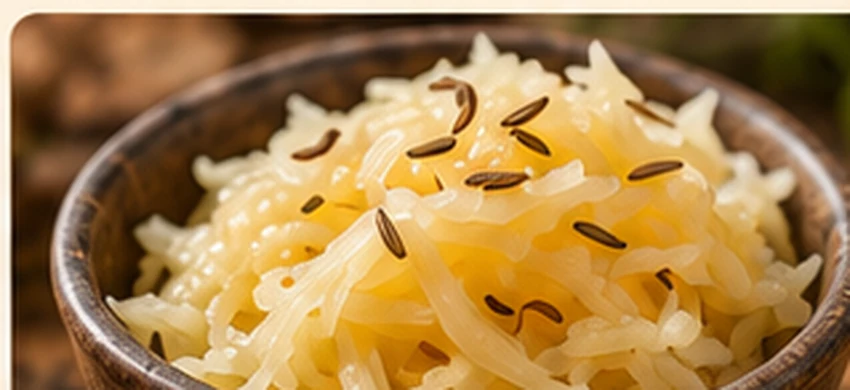
Illustrative sauerkraut concept

Flavor from fermentation

Microorganisms transform naturally present sugars into acids—including lactic acid—and other compounds. These can bring tang, savory notes and more complex aromas. The result depends on the vegetable, seasonings and fermentation conditions.

Fermented, not just pickled

Sauerkraut and fermented cucumbers develop much of their acidity during fermentation. Foods acidified by soaking in vinegar get their sourness by a different process. Both have their place, but the flavors can be distinct.

Made for their natural character

We prefer to let fermentation do the flavor-building. Some unheated fermented foods can also contain living microorganisms—a characteristic we're interested in preserving through thoughtful processing.

FERMENTED MUSTARD

That horseradish-like bite.

The nose-tingling sharpness of mustard comes mainly from mustard-seed chemistry. Crushing and moistening the seeds lets their natural enzyme myrosinase act on seed compounds, producing pungent isothiocyanates. Allyl isothiocyanate also gives horseradish much of its familiar kick.

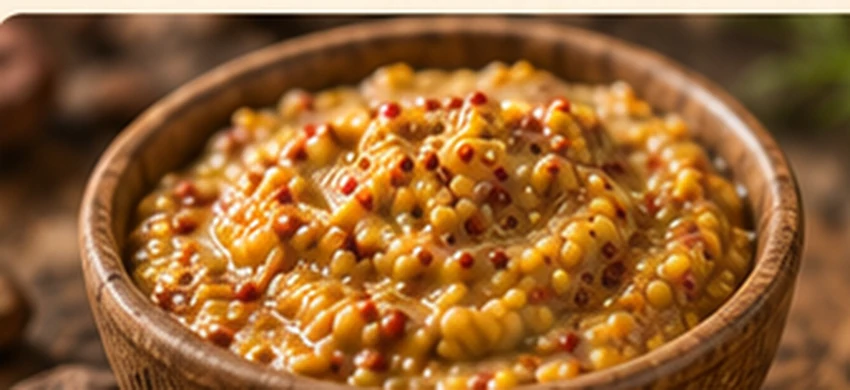
Fermentation contributes tang and complexity, but doesn't create the mustard's bite by itself. Seed choice, grind and processing influence pungency. Our planned textures are grainy, extra grainy and moderately grainy—not necessarily three heat levels.

Illustrative grainy mustard

NATURALLY FERMENTED

Flavor first. Your choice afterward.

Our foods aren't finished with vinegar or wine. We prefer their naturally developed character; customers who enjoy a sharper tang or different aroma can add their own after opening.

Why leave vinegar and wine out? More info

We want to avoid unnecessary steps that could alter fermentation's natural character, including the living microorganisms that may remain in some unheated ferments. Added acidity, alcohol or sulfites can affect microbial activity and certain enzyme reactions—but the impact varies with the recipe and amount added. Wine or vinegar does not automatically eliminate every live organism or enzyme.

Enough vinegar may inhibit further fermentation, but a splash isn't a reliable preservation method. Wine is not a dependable way to stop fermentation. Neither addition establishes a longer safe shelf life; always follow the product's storage instructions. These are optional customer choices, not ingredients DesertDog adds during finishing.

While fermented foods can contain live microorganisms, that isn't the same as verifying specific probiotic effects or enzyme activity in a finished product.

More than flavor

Fermentation can transform food compounds and create organic acids. Some unheated fermented foods also contain living microorganisms. Research suggests fermented-food-rich diets can influence gut microbial diversity, but those results don't establish health benefits for individual DesertDog products.

Not every fermented food contains scientifically validated probiotic strains. We'll avoid specific probiotic or enzyme claims unless the finished products support them.

Good fermentation still needs good storage

Fermentation's natural acidity can inhibit certain unwanted microorganisms, but food safety depends on validated recipes and storage conditions. We will determine appropriate packaging, handling and shelf-life instructions before commercial sales.

Food science sources

These explain general principles, not laboratory results for our products.

Find a flavor worth trying.

Explore our six fermented-food categories planned for the same initial release.

Explore products →